For years, independent artists were told a simple story: sign with a distributor, not a label, and you keep control. No recoupment, no advance to pay back, no giant corporation deciding what happens to your music. You upload, they deliver, you keep your rights.
That story was never entirely true, and in 2026 it got a lot harder to believe.
Universal Music Group closed its $775 million acquisition of Downtown Music Holdings in February this year, taking ownership of CD Baby and FUGA in one move. Warner Music Group followed two months later, acquiring the distributor Revelator to build out its own indie arm. Sony Music got there earlier than either of them, quietly owning The Orchard since 2015 and AWAL since 2021.
Add it up and all three major labels now sit somewhere behind the platforms millions of independent artists call "independent." DistroKid, which handles something like a third of all new music uploaded worldwide, was bought this year too, not by a major label but by a private equity firm. The layer that was supposed to be the alternative to major-label control is now, structurally, an extension of it.
That doesn't mean every distributor treats artists badly, or that ownership alone determines outcomes. It means the promise underneath "independent distribution" needs a second look, because a platform's incentives usually trace back to who owns it.
Why this actually matters to an artist, not just a headline
Here's the part that isn't abstract. A distributor is the thing standing between an artist and every dollar a stream generates, and the thing responsible for a release's metadata being correct: who it's credited to, what its rights holder record says, how mistakes get fixed when they happen. When that layer consolidates into a handful of owners, an individual artist has less real leverage if something goes wrong, and fewer genuinely different alternatives to move to if it does.
This isn't hypothetical. A distributor can make a decision about an artist's own music without asking first, not out of malice, usually just a process failure, someone acting on incomplete information. When it happens, the abstract argument about ownership stops being abstract fast: if an artist doesn't own the actual pipeline their music travels through, they don't fully control their own catalogue, no matter what the word "independent" is doing on a platform's homepage.
What we're actually doing about it
Dunkishrock Production has released 127 songs across two very different eras of Duncan Daniels' career, going back to 2003. That's exactly why we decided to stop treating this kind of dependency as unchangeable, and started building the plumbing ourselves: registering our own ISRC and UPC codes so every future release is permanently ours to identify, building real DDEX delivery capability (the same message format every distributor uses to talk to Spotify and Apple), and applying directly to streaming platforms for the kind of partner status that skips the middle layer entirely.
It's slower than staying dependent. It's also the only version of "independent" that actually means what the word says.
Follow the build, and the music
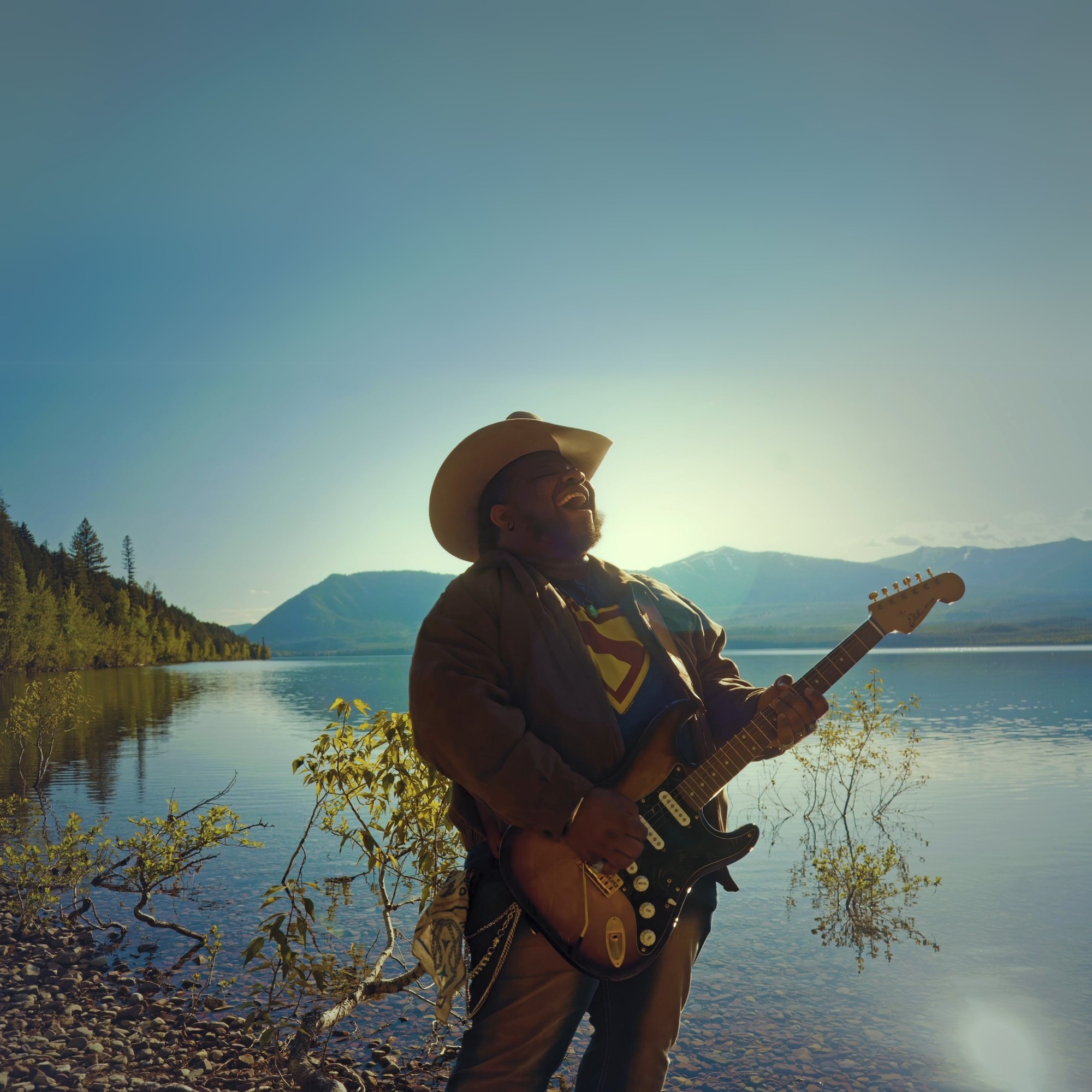
Duncan Daniels Country's debut EP, Country Ain't a Dot on a Map, arrives Friday, September 4th. Follow the day-to-day on Instagram for where the build and the music go next. If the idea of an artist actually owning his own distribution pipeline is interesting to you, that's the story we're telling in real time, one release at a time.
▶ Listen on Spotify